

Disclaimer: This blog post contains Amazon affiliate link.s As an Amazon Affiliate, I earn a commission on qualifying purchases.

Tea is no longer just for sipping. From matcha lattes to Earl Grey macarons, the world’s oldest beverage has quietly infused itself into modern cooking — and now, it’s ready for your sauces and dressings.
If you’ve ever wondered how to turn a simple vinaigrette, glaze, or cream sauce into something restaurant-worthy, tea might be your secret weapon. Its depth, aroma, and tannic edge can transform even the most basic pantry ingredients into bold, balanced, and unforgettable flavors.
In this guide, we’ll explore the art and science of tea-infused sauces & dressings — plus easy recipes you can try tonight.
🌱 Why Use Tea in Cooking?
Tea is essentially a natural flavor concentrate. When steeped, it releases not just color and aroma but also complex compounds — floral, earthy, smoky, or sweet — that can layer beautifully with fats, acids, and spices.
Here’s why chefs love using it:
- Complexity without salt or sugar: Tea adds umami and depth without extra sodium or sweetness.
- Natural antioxidant boost: Especially green and white teas, which contain polyphenols that hold up even when cooked lightly.
- Aromatic versatility: Black teas add warmth, green teas lend freshness, herbal teas can provide citrus or floral top notes.
- Easy infusion: You don’t need special equipment — just steep and strain.
🍵 Choosing the Right Tea for the Right Sauce
Different teas pair better with certain base ingredients. Here’s your quick guide:
| Type of Tea | Flavor Profile | Best With |
|---|---|---|
| Green tea (Sencha, Jasmine) | Fresh, grassy, slightly bitter | Light dressings, seafood sauces, citrus vinaigrettes |
| Black tea (Assam, Earl Grey, Ceylon) | Bold, malty, tannic | BBQ glazes, cream sauces, red meat reductions |
| Oolong tea | Floral, toasted, fruity | Asian-inspired sauces, noodle dressings, soy-based marinades |
| Herbal tea (Chamomile, Hibiscus, Rooibos) | Sweet, tart, or floral | Dessert sauces, fruit coulis, salad dressings |
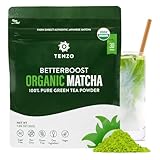
| Matcha | Earthy, umami, slightly bitter | Creamy dressings, aioli, dessert drizzles |
Think of tea as a seasoning — the same way you’d think of salt or spice. You’re adding depth, not replacing the sauce’s essence.
🥣 How to Infuse Tea Into Sauces & Dressings
There are three main ways to add tea flavor to your recipes:
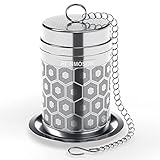
1. Direct Steeping
Steep tea bags or loose leaves in hot liquid (water, broth, milk, or cream) before making your sauce.
Example: Infuse 2 tsp Earl Grey in ½ cup warm cream for 5 minutes, strain, and use as a base for a mushroom sauce.
2. Tea Reduction
Brew a strong cup of tea, then reduce it in a saucepan until syrupy. This intensifies the flavor for glazes or marinades.
Example: Reduce 1 cup of black tea with 1 tbsp honey and 1 tsp soy sauce to make a sticky glaze for chicken.
3. Powdered Tea (Matcha or Instant Tea)
Whisk directly into dressings or sauces. Perfect for cold applications where steeping isn’t possible.
Example: Add ½ tsp matcha to an avocado dressing for color and umami.
🫖 Tea-Infused Sauce & Dressing Recipes
Let’s get cooking. Here are five versatile, foolproof recipes that show tea’s full potential in your kitchen.
1. Earl Grey Honey Glaze for Roasted Vegetables
Flavor profile: Citrusy, warm, and slightly floral.
Ingredients:
- 1 cup strong brewed Earl Grey tea
- 2 tbsp honey
- 1 tbsp soy sauce
- 1 tbsp olive oil
- ½ tsp cracked black pepper
- Pinch of sea salt
Instructions:
- In a saucepan, simmer brewed tea until it’s reduced by half.
- Whisk in honey, soy sauce, olive oil, and pepper.
- Brush over roasted carrots, sweet potatoes, or Brussels sprouts.
- Roast for an extra 10 minutes to caramelize the glaze.
Pro tip: A squeeze of lemon zest at the end amplifies the bergamot notes beautifully.

2. Matcha Lime Vinaigrette
Flavor profile: Bright, creamy, tangy — great for salads or cold noodles.
Ingredients:
- ½ tsp matcha powder
- 2 tbsp lime juice
- 1 tbsp rice vinegar
- 2 tbsp olive oil or sesame oil
- 1 tsp honey (optional)
- Pinch of salt
Instructions:
- Whisk lime juice, vinegar, and matcha until smooth.
- Slowly drizzle in oil while whisking to emulsify.
- Season with salt and honey to taste.
Pair with: Cold soba noodles, grilled shrimp salad, or avocado toast.
3. Smoky Lapsang Souchong BBQ Sauce
Flavor profile: Deeply smoky, slightly sweet — perfect for meats or tofu.
Ingredients:
- 1 cup strong brewed Lapsang Souchong tea
- 1 cup ketchup
- ¼ cup brown sugar
- 2 tbsp apple cider vinegar
- 1 tbsp Worcestershire sauce
- ½ tsp smoked paprika
- Salt to taste

Instructions:
- Combine all ingredients in a saucepan.
- Simmer on low for 15–20 minutes until thickened.
- Adjust sweetness and salt to preference.
Why it works: The tea’s smoky aroma adds barbecue depth without needing a grill.
4. Chamomile-Infused Cream Sauce
Flavor profile: Soft, floral, and subtly sweet — excellent for chicken or pasta.
Ingredients:
- 1 cup heavy cream
- 2 chamomile tea bags
- 1 tbsp butter
- 1 tbsp flour
- Salt and white pepper to taste
Instructions:
- Warm cream and steep tea for 10 minutes, then strain.
- In another pan, melt butter, add flour, and whisk for 1 minute.
- Slowly add infused cream, stirring until thickened.
- Season and serve over seared chicken or fresh pasta.
Variation: Add lemon zest for a subtle citrus lift.

5. Hibiscus & Balsamic Reduction
Flavor profile: Tart, fruity, and vibrant — a stunning drizzle for salads or desserts.
Ingredients:
- 1 cup brewed hibiscus tea
- ½ cup balsamic vinegar
- 2 tbsp brown sugar
Instructions:
- Simmer all ingredients together until reduced by half.
- Cool until syrupy.
- Drizzle over caprese salad, grilled peaches, or even vanilla ice cream.
Bonus: The deep magenta color adds instant visual appeal to any dish.

💡 Creative Pairing Ideas
Here’s how to match tea-based sauces to your meals:
| Tea Sauce/Dressing | Pairs Best With |
|---|---|
| Earl Grey Glaze | Roasted vegetables, duck, tofu |
| Matcha Lime Vinaigrette | Salads, soba noodles, seafood |
| Lapsang BBQ Sauce | Ribs, burgers, grilled eggplant |
| Chamomile Cream Sauce | Chicken, gnocchi, white fish |
| Hibiscus Reduction | Cheese boards, desserts, salads |
For a cohesive meal, pair your tea sauce with a complementary brewed tea — like serving an Earl Grey glaze with a cup of the same blend for a subtle echo of flavor.
🔬 The Science Behind Tea in Sauces
Tea contains tannins and polyphenols, which interact with fats and acids to create balance — similar to how wine does in cooking.
- In creamy sauces, tannins cut through richness.
- In vinegar-based dressings, they add depth and soften acidity.
- In sweet glazes, they prevent cloying flavors by adding a hint of bitterness.
Temperature also matters:
- Delicate teas (like green or white) should be infused below boiling (around 175°F) to avoid bitterness.
- Robust teas (black, oolong) can handle higher heat and reduction.
🧂 Tips for Perfect Tea Infusions
- Use quality loose-leaf tea: More flavor and less dust than bagged.
- Don’t over-steep: Over-brewing leads to bitterness — taste as you go.
- Balance with acid or sweetness: Tea’s tannins crave balance. Use lemon, vinegar, or honey to round out flavors.
- Experiment with cold brews: Cold-steeped tea makes a smoother, subtler infusion for delicate dressings.
- Think visually: Teas like hibiscus and matcha add stunning color naturally — perfect for presentation.
🌍 Beyond the Kitchen: The Global Appeal of Tea in Food
Tea-based cooking isn’t new — cultures have been doing it for centuries.
- In Japan, matcha has long flavored noodles, tempura batters, and sauces.
- In China, smoky teas like Lapsang Souchong have seasoned meats for generations.
- In the UK, Earl Grey reductions have found their way into sauces and desserts.
- In the Middle East and Africa, hibiscus and mint teas flavor syrups and marinades.
You’re not just adding flavor — you’re connecting with a centuries-old culinary tradition that spans continents.
🍽️ Bringing It All Together
Adding tea to your sauces and dressings is an easy, affordable way to elevate your cooking. It’s aromatic, versatile, and creative — the kind of kitchen experiment that pays off in flavor and presentation.
Start small: infuse a cup of tea into tonight’s marinade or drizzle a hibiscus reduction over tomorrow’s salad. Once you start experimenting, you’ll see just how many simple dishes can be transformed with just a splash of tea.
💬 Final Thought
Great cooking doesn’t require fancy ingredients — just curiosity.
Tea reminds us that flavor can come from anywhere, even your mug. So next time you brew a cup, save a little for your saucepan — your taste buds will thank you.